Circular economy in trade fair practice
In the engine room of Leipziger Messe
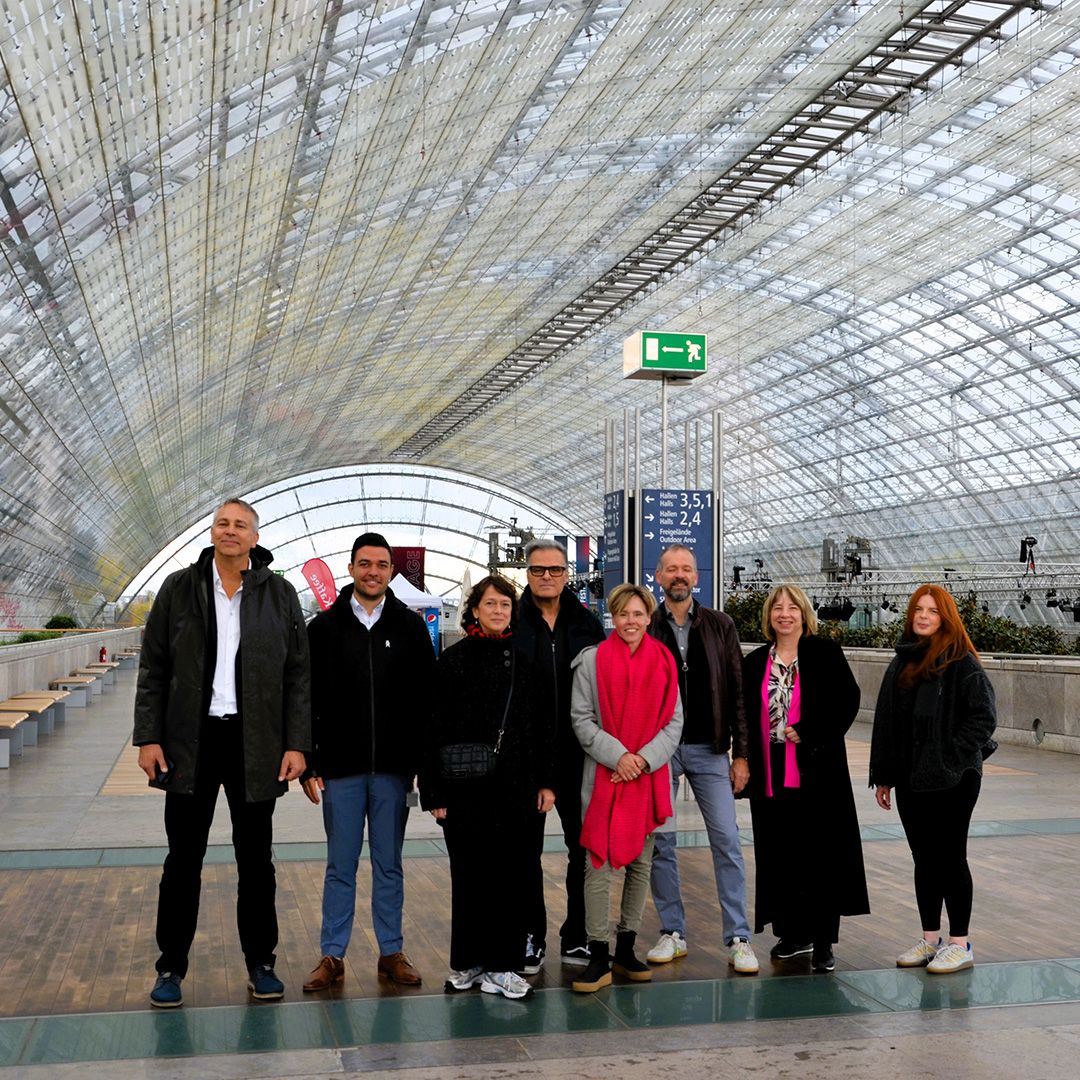
The project team of "KRIDEM – Circular Economy in the Trade Fair Industry" visiting Leipziger Messe, from left: Prof. Dr. Kai-Michael Griese (Osnabrück University of Applied Sciences), Michel Ghattas-Kämpfner (Leipziger Messe), Barbara-Maria Lüder (AUMA), Jürgen May (2bdifferent), Prof. Dr. Kim Werner (Osnabrück University of Applied Sciences), Dr. Christoph Soukup (2bdifferent), Antje Voigtmann (Leipzig Trade Fair) and Justine Hein (tw tagungswirtschaft/m+a report). Photo: tw tagungswirtschaft/m+a report
The project team of "KRIDEM – Circular Economy in the Trade Fair Industry" visiting Leipziger Messe, from left: Prof. Dr. Kai-Michael Griese (Osnabrück University of Applied Sciences), Michel Ghattas-Kämpfner (Leipziger Messe), Barbara-Maria Lüder (AUMA), Jürgen May (2bdifferent), Prof. Dr. Kim Werner (Osnabrück University of Applied Sciences), Dr. Christoph Soukup (2bdifferent), Antje Voigtmann (Leipzig Trade Fair) and Justine Hein (tw tagungswirtschaft/m+a report). Photo: tw tagungswirtschaft/m+a report
Before the principles of the circular economy can be effectively applied to trade fair operations, it is essential to first understand the day-to-day workings of a trade fair. To gain these insights, the KRIDEM team spent an entire day at the Leipzig Trade Fair grounds on 27 October 2025. This on-site visit shed light on the complexity of the trade fair system—and revealed the significant potential that lies in taking a networked, holistic approach to resource management.
At first glance, the concept of a circular economy in the trade fair industry might seem like an abstract goal—something for strategy papers, scenarios, and future models. However, to truly understand how resource flows emerge in the reality of a major event, one has to go where energy is consumed, water used, materials moved, and waste generated: directly to the exhibition grounds—to the daily operations, technical areas, kitchens, logistics corridors, exhibition halls, and waste disposal stations. Before OTWorld 2026 can become a real-world laboratory for circular economy practices, it was essential to first understand how the “trade fair” ecosystem operates, which data are available, where the key interfaces lie, and at what points the theory of circularity collides with the practical realities of a tightly scheduled trade fair day.
The morning tour of the grounds quickly revealed to the team that Leipziger Messe operates as a well-oiled yet highly complex system. Numerous processes are closely interlinked, resource flows traverse various organizational units, and many adjustments can only be made to a limited extent in isolation. At the same time, the visit highlighted the multitude of starting points for optimization—and underscored the value of using OTWorld as a model event. With its high proportion of system stand construction and clearly defined process structures, OTWorld offers ideal conditions for a scientific analysis of circular resource flows.
Advertisement
A system of interlocking processes
Halls 2 to 5 of Leipziger Messe are similar in their construction—a clear advantage for making later comparisons. Positioned between them are both the catering units, operated by the trade fair subsidiary fairgourmet, and the waste disposal stations, managed by service provider Becker Umweltdienste. These are essential hubs for waste and material flows. What visitors typically perceive as ancillary areas actually serve as critical transfer points for resources such as food, packaging, water, wastewater, residual waste, and recyclables. Here, the effectiveness of separation processes is determined—and it is at these points that materials are either returned to the cycle or lost for good.
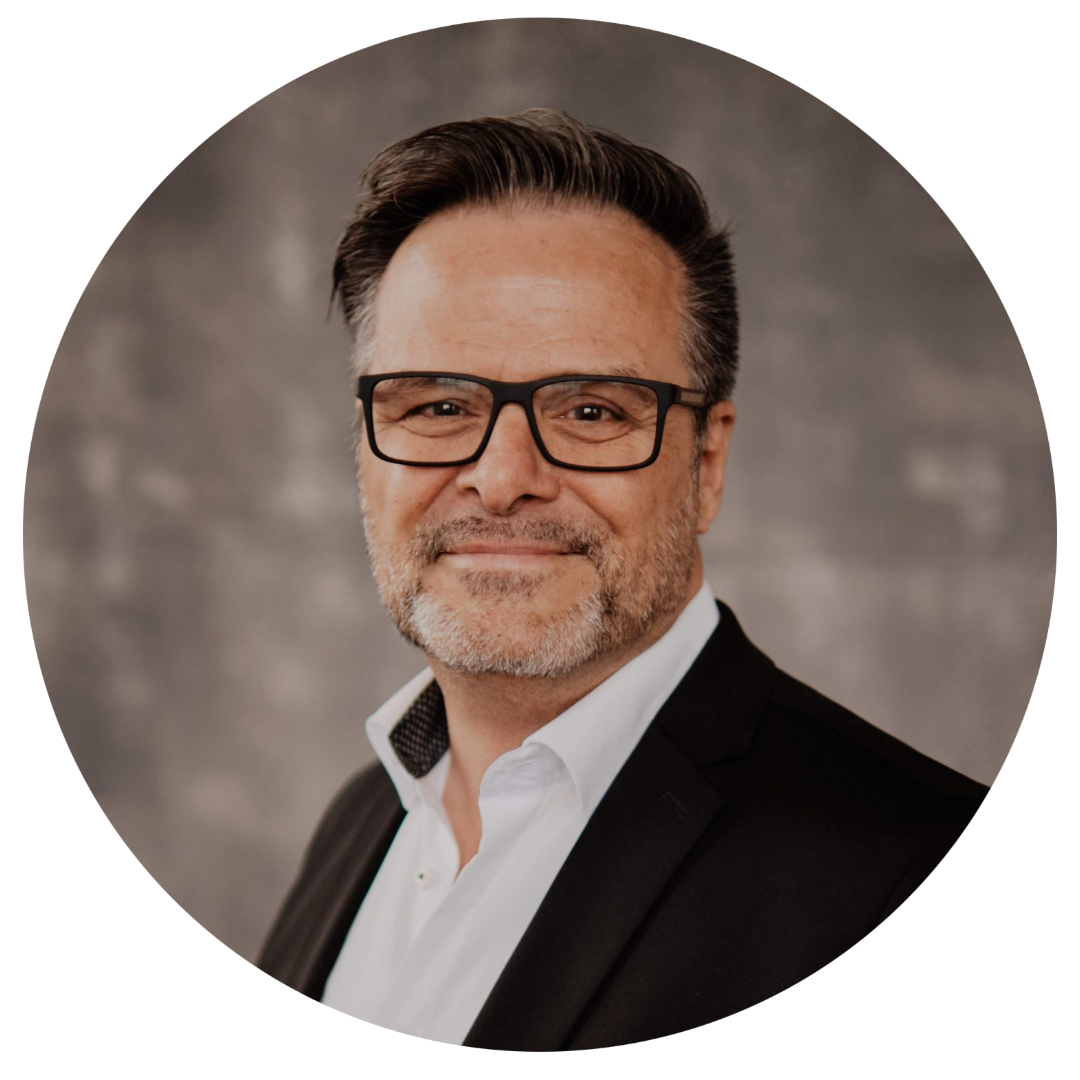
Photo: 2bdifferent
"Only when we know exactly where resources are being consumed, wasted or reused can we develop targeted circular economy strategies."
Jürgen May, founder and managing director of 2bdifferent.
The technical infrastructure at the Leipziger Messe essentially enables each individual stand to be supplied with electricity, water, and sewage. In practice, however, consumption data has so far only been recorded at the level of the entire event. To obtain more detailed insights, the tour was followed by a series of technical discussions. These meetings guided the project team to the areas where OTWorld’s central material flows originate—and where, ultimately, the reliability of future analyses will be determined.
The first stop was the energy management department at Leipziger Messe. Katja Krautkrämer, Head of Operations Management 1, and Mathias Winkler, Energy Manager, provided the team with a robust database on electricity, heat, and water consumption—including a flow chart pinpointing the largest consumers.
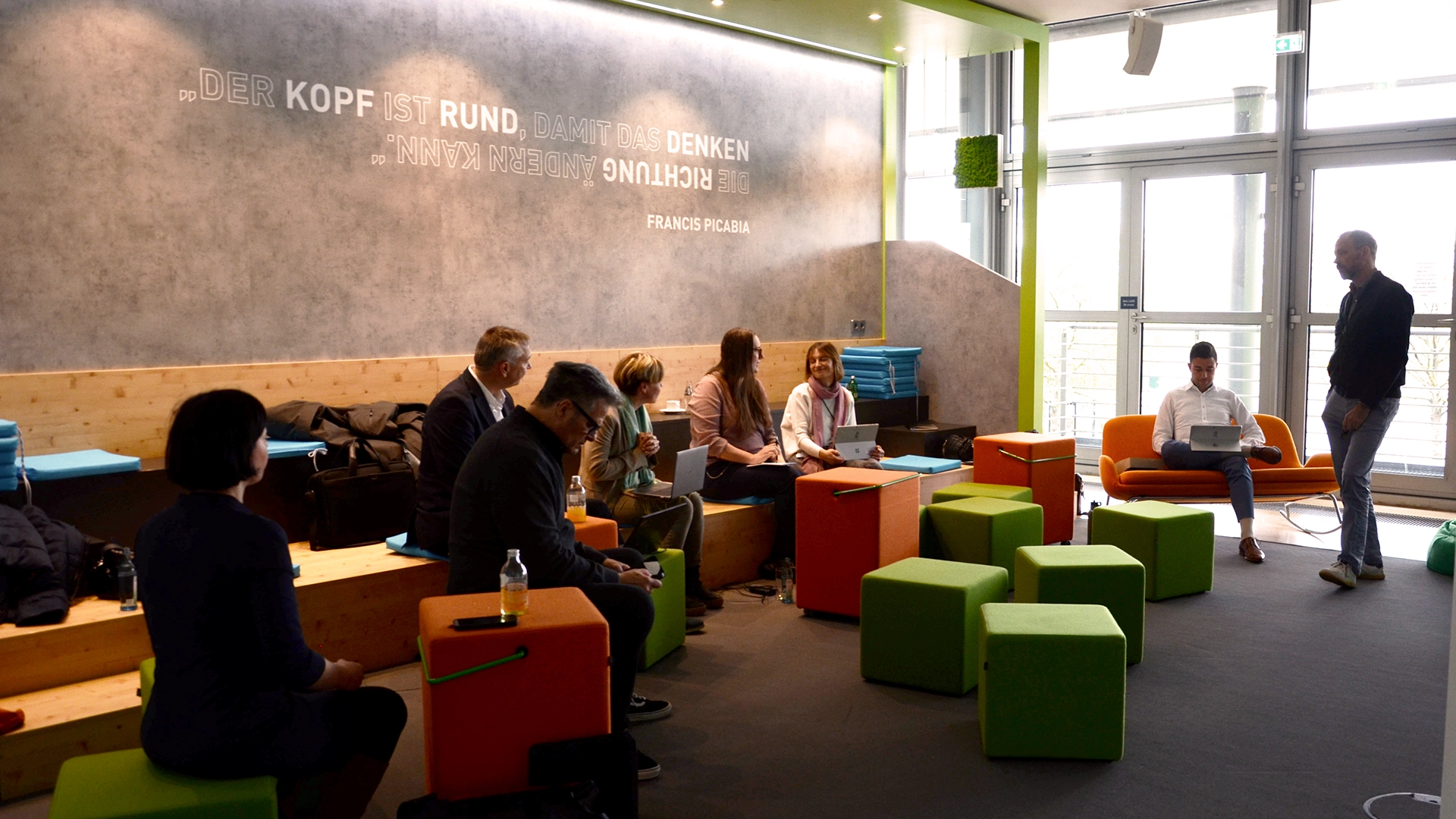
Discussions with the energy, technology, catering and service areas, which are central to the material flow analysis of OTWorld 2026, took place in this open working environment. Photo: tw tagungswirtschaft/m+a report
This includes, in particular, the exhibition halls, the exhibition center, and the cooling network. The energy supply is further supplemented by photovoltaic systems on select rooftops and two combined heat and power plants. At the same time, certain uncertainties were openly acknowledged: peak loads cannot always be consistently or precisely allocated, and some cooling consumption figures are recorded only in approximate terms. Water consumption data is also limited to the hall level rather than being assigned to individual exhibitors or stands. This transparency is a valuable insight for subsequent analysis: only by identifying which measurement points require expansion can OTWorld’s resource requirements be mapped meaningfully.
However, discussions with the event technology and site services teams revealed a different perspective.
Tight time frame
At the same time, Leipziger Messe is actively working to improve these processes. From early 2026, additional staff will be stationed at all waste disposal points to support exhibitors and service providers in proper waste separation. In addition, visual labeling of waste fractions will be revised to minimize incorrect disposal. Both measures are expected to improve separation quality and thus enhance the data foundation for KRIDEM’s later evaluations.
Another crucial aspect for the analysis is the recycling rate. Proper accounting of waste streams requires not only quantitative data, but also clarity about the fate of materials downstream. While Becker Umweltdienste, responsible for waste management at Leipziger Messe, can provide an overall waste balance for the event, it is not immediately possible to determine exactly what percentage of materials is actually recycled based on current data. This rate must be specifically requested from the service provider—and even then, it remains unclear whether figures can be broken down precisely for Leipziger Messe or if they only exist as aggregated company-wide data.
One of the waste disposal areas at the Leipzig Exhibition Centre: during the tour, it became clear how closely time pressure, material flows and separation systems interact in trade fair operations – and why this is precisely where important levers for the circular economy lie. Photo: tw tagungswirtschaft/m+a report
Another layer of complexity became apparent in the catering sector. As a subsidiary of the Leipziger Messe Group, fairgourmet is responsible for hall catering, stand service, and crew catering, making it the central point of access for the KRIDEM project to all material and waste streams related to food and beverages. Although fairgourmet has long upheld high sustainability standards—from fair trade products and largely regional supply chains to food sharing initiatives, staff training, and deposit systems—data collection remains challenging from a research perspective. This brings to light an often overlooked challenge for material flow analyses: During a trade fair, multiple events often take place simultaneously across the premises, including at venues like the Congress Hall at the Zoo, which is also catered by fairgourmet. Since purchasing for these parallel events is consolidated, not every delivery can be clearly attributed to a specific trade fair. The good news is that precise data is available for certain areas, particularly the self-pay business. However, banquets and stand catering operate with their own distinct processes, which are more difficult to quantify.
For the project, this means that in addition to analyzing existing data, qualitative discussions with exhibitors and targeted surveys will be necessary to realistically map the waste and material flows related to food and beverages. FAIRNET, another subsidiary of Leipziger Messe, acts as a project management agency and realizes exhibition stands together with external partners. While sustainable materials and modular solutions are part of their portfolio, in practice, these options—like elsewhere in the industry—often face obstacles due to exhibitors’ budget constraints or limited storage capacity.
For KRIDEM, one particular feature of OTWorld is especially significant: the trade fair has a high proportion of system stand construction. These system stands rely on modular components that are standardized, reusable, and well-documented. As a result, materials can often be clearly classified, their transport routes traced, and their reuse measured, which enables robust comparisons between exhibitors.
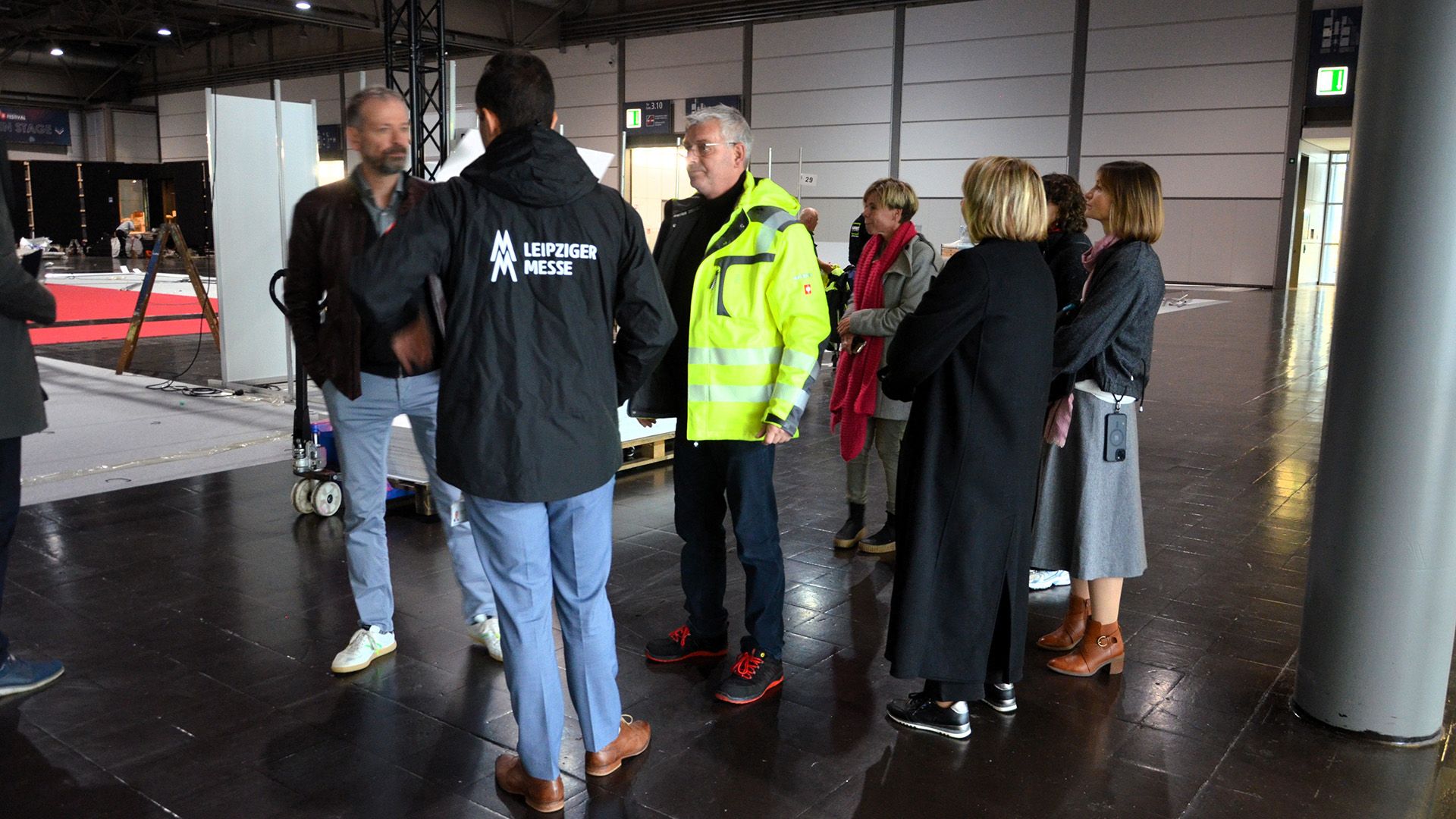
Tour of the exhibition halls: The KRIDEM team in discussion with Leipziger Messe representatives about processes, logistics and technical interfaces. Photo: tw tagungswirtschaft/m+a report
An important source of data is the digital tool Delegatis, which exhibitors use to record stand heights, technical requirements, and elements requiring approval. While Delegatis does not directly indicate whether a stand is a system or a custom build, it allows for indirect conclusions: stands taller than four metres are almost always custom constructions, while system stands can be clearly identified via the OTWorld ordering system. Combined, these two data sources provide a sufficiently precise foundation for differentiating stand types and analyzing the associated material flows.
Leipzig thinks sustainability
No analysis of OTWorld would be complete without considering the broader context of the city of Leipzig. Many resource flows originate not only at the exhibition center, but also before, after, and alongside the event—through guest mobility, regional logistics, the hotel industry, gastronomy, and cultural activities. This is why the meeting with Emilie Dias, Senior Project Manager Events & Sustainability at Leipzig Tourismus und Marketing (LTM), was a key part of the KRIDEM visit. "The players in the city are ready to get involved," said Dias, referencing LTM's ongoing efforts—together with regional partners—to position Leipzig as a sustainable destination for conferences and events.
The eight areas of action in the Leipzig region's tourism sustainability strategy
- Transparent information and communication
- Networking local businesses and economic cycles
- Attractive working conditions / Social sustainability
- Promoting cultural identity and protecting cultural heritage
- Environmentally friendly mobility
- Reducing resource consumption and promoting climate protection
- Leipzig as a sustainable conference and congress location
- Combination and new development of sustainable offerings
The project is grounded in internationally recognized sustainability standards and a systematic development approach that integrates mobility, energy, the environment, and regional value creation. To achieve this, the Leipzig region is implementing a comprehensive sustainability strategy for tourism extending to 2030. This strategy defines eight fields of action—including sustainability, mobility, year-round tourism, digitalization, and tourism marketing—supported by a catalogue of 70 individual measures to be implemented step by step.
The first practical measures are already underway: sustainable mobility services are being expanded, local business partners are being integrated into regional value chains, and tourism offerings are being reoriented towards sustainability. In addition, Leipziger Messe itself—one of the destination’s key players—has an impact that extends far beyond its own premises. The company has been certified with the Green Globe seal since 2009, one of the world’s leading certification programs for sustainable management in the tourism and events industry, with this certification most recently reaffirmed in 2025.
Operating under the motto “Growing in balance,” Leipziger Messe pursues a comprehensive sustainability strategy that includes the use of renewable energy, resource-efficient technologies, sustainable mobility options, and ambitious CO₂ reduction targets. Since 2023, the trade fair has sourced 100 percent of its electricity from renewable sources, with additional power generated onsite by its own photovoltaic systems.
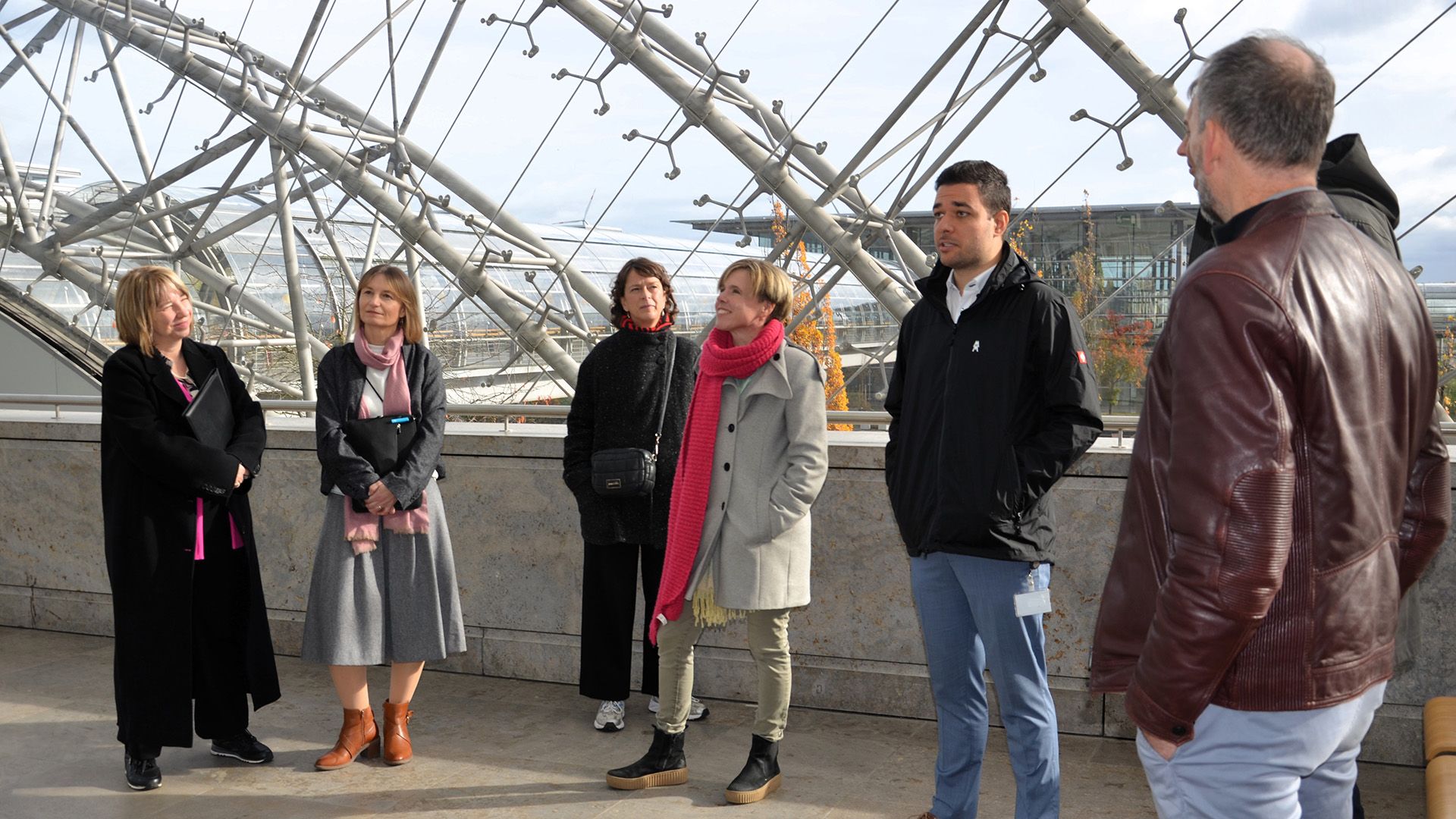
Photo: tw tagungswirtschaft/m+a report
The visit demonstrated both the significant potential embedded in the daily operations of a trade fair—and how easily that potential can be diminished by time pressure, established routines, and overlapping processes. OTWorld now presents a rare opportunity to make these dynamics visible: to identify where material flows originate, where they dissipate, and where circularity can realistically take hold. Over the coming months, KRIDEM will combine these firsthand observations with available data to assess which approaches are feasible under real-world trade fair conditions.
This brings a crucial question into focus—one that extends well beyond Leipzig: How can the circular economy be integrated into practice so that it becomes an intrinsic part of everyday trade fair operations, rather than simply an added task?
KRIDEM
The research project KRIDEM – "Circular Economy in the Trade Fair Industry" is under the scientific direction of Osnabrück University of Applied Sciences. It involves researching and testing principles of the circular economy in the trade fair and event industry: The aim is to examine trade fair companies, exhibitors, service providers and urban infrastructure in terms of their use of resources and to jointly develop circular business models. This is based on a nexus approach that considers material, energy, water and waste flows holistically and links them together. To ensure that the research delivers practical results, renowned industry partners are involved, including the German trade fair association AUMA, the CSR agency 2bdifferent, the trade fair architects imb troschke, Leipziger Messe and the trade media brand"3">imb troschke, the Leipzig Trade Fair and the trade media brand tw tagungswirtschaft & m+a report. The project will run from January 2025 to December 2026 and will receive a total of €150,000 in funding from the German Federal Environmental Foundation (DBU).